Overview
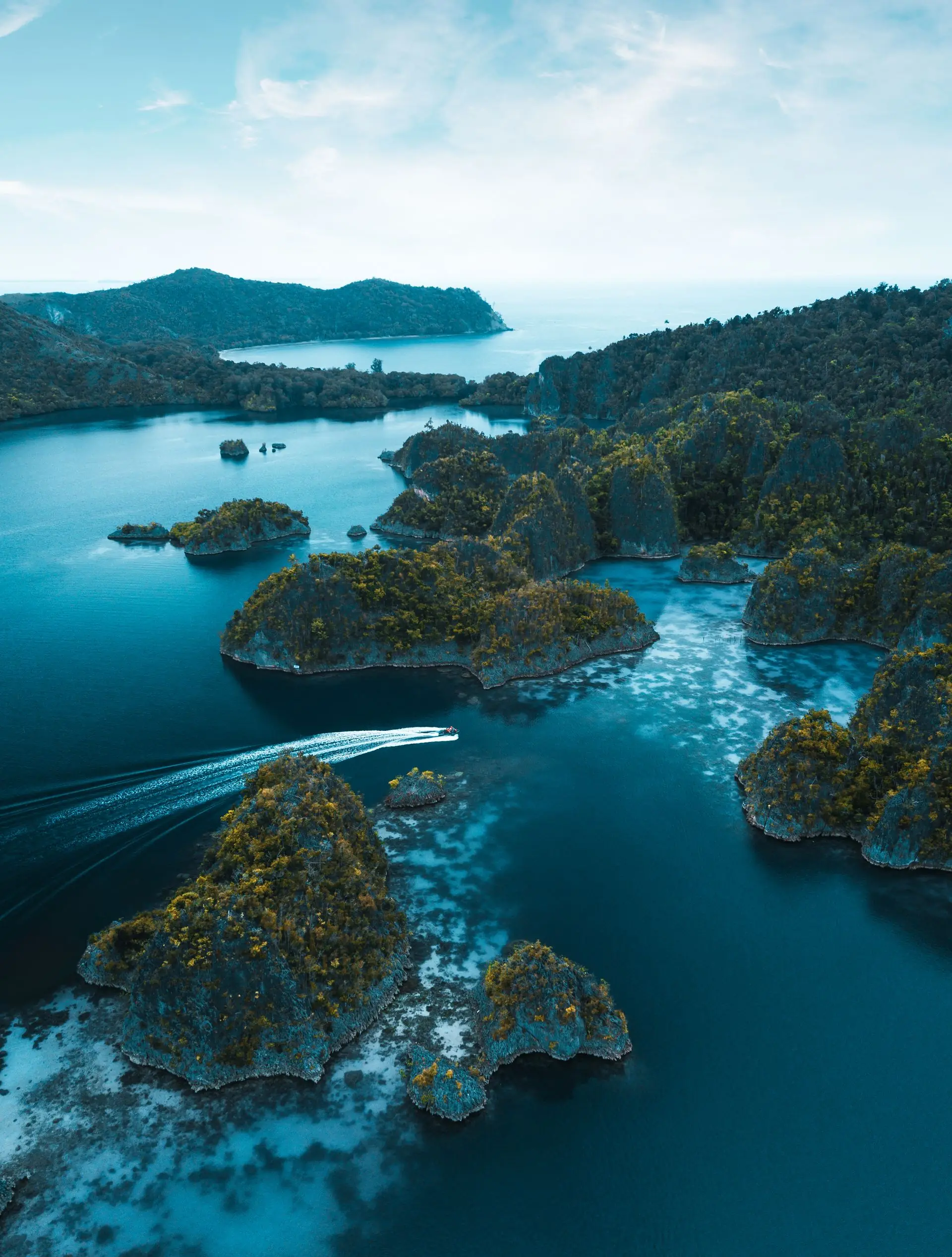
Raja Ampat sits at the heart of the Coral Triangle with extraordinary marine biodiversity. Karst islets, blue lagoons and remote resorts make it a dream destination.
A short history
Raja Ampat ("Four Kings") comes from a legend of four kings born from eggs who ruled the main islands: Waigeo, Batanta, Salawati and Misool. Since the early 2000s, marine surveys have recorded extraordinary coral and fish diversity here, making conservation central to tourism.
Culture
The Papuan communities of Raja Ampat live close to the sea and practise sasi, a customary rule that closes fishing areas so the sea can recover. Visitors pay an environmental service fee as a contribution to conservation.

Local etiquette & customs
Respect customary sasi rules that close certain areas. Pay the environmental service fee as a contribution to conservation. Never take coral or shells home, and dress modestly in villages.
Must-try food
- Papeda & yellow fish soup — Sago porridge with turmeric fish broth.
- Fresh grilled fish — Today's catch from local fishermen.
- Grilled sago — A traditional sago snack.
- Young coconut — Best enjoyed on the beach.
Things to do
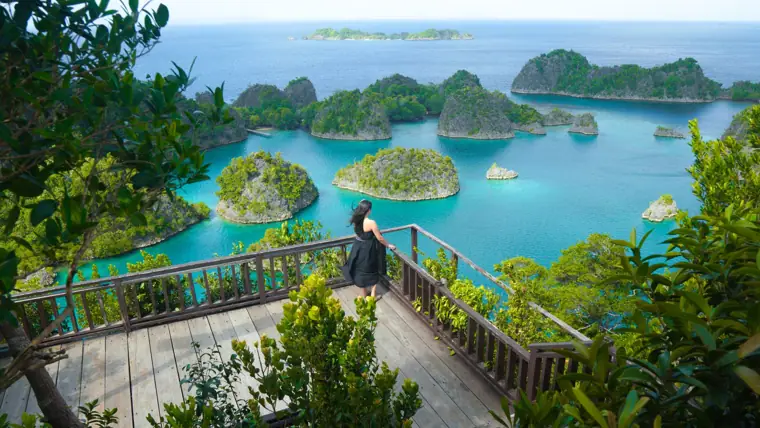 Climb the stairs to the Piaynemo viewpointTaking in the Piaynemo panorama
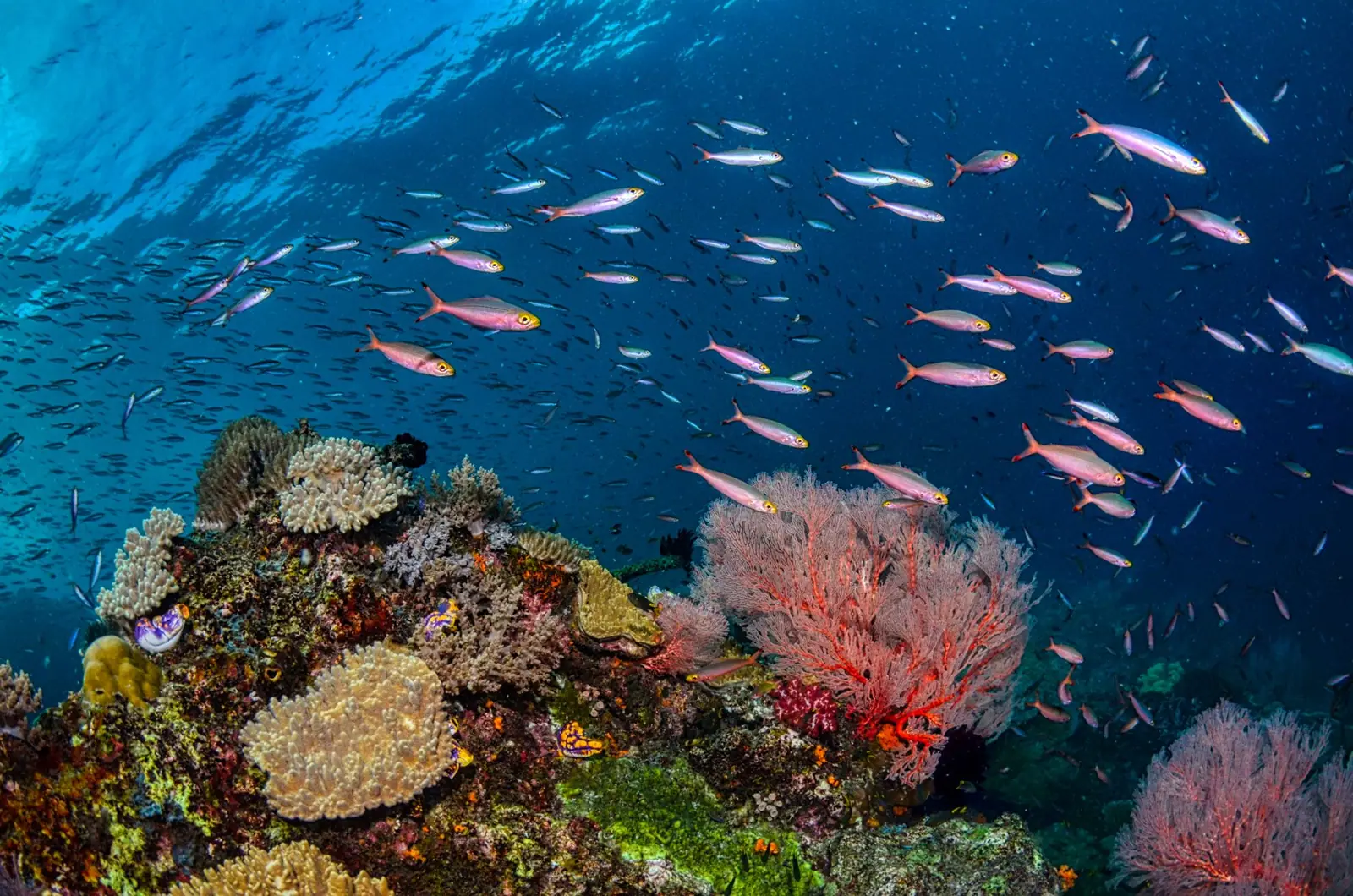
 Snorkel the world's most diverse coral reefsColourful corals of West Papua
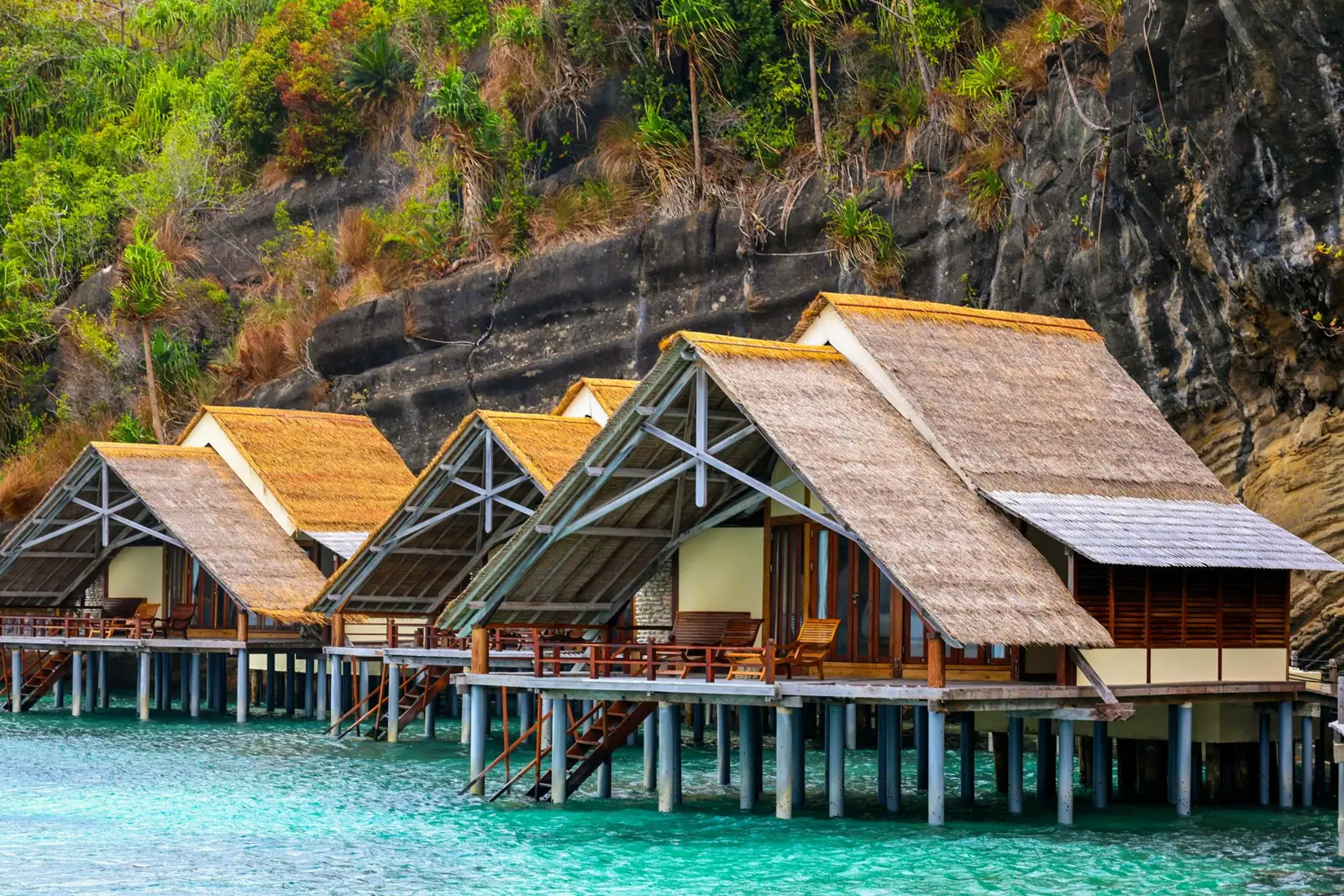
 Stay in an overwater bungalowSeaside bungalows in West Papua
 Visit a coastal Papuan villageBeach huts on Waigeo
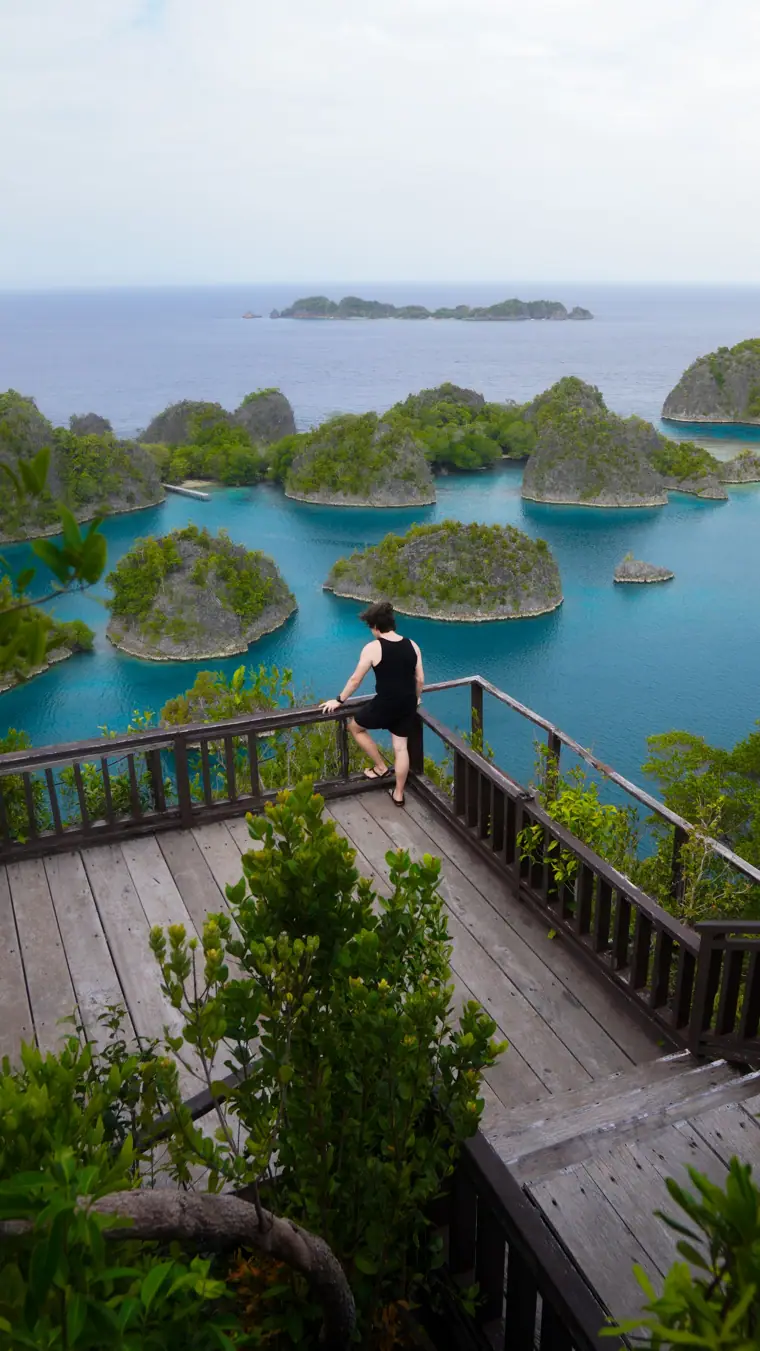 Kayak a turquoise lagoonTurquoise lagoon among karst islets, Raja Ampat
Best time to visit
October–April for calmer seas. May–September can be wavier.
Our tips
- Use reef-safe sunscreen.
- Signal is limited, so enjoy being offline.
- Carry cash; ATMs are rare.
For families & For companies

For families
Resorts with family rooms, shallow snorkelling that is safe for kids.

For companies
Ideal for exclusive incentive trips for small to mid-size groups.