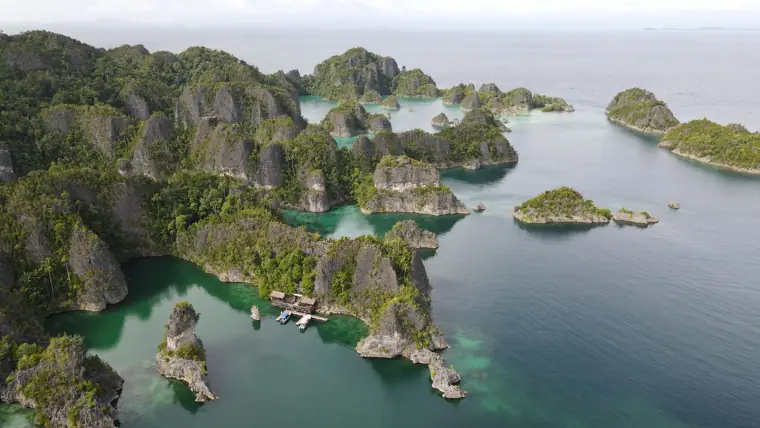
Overview
A city of students and culture with two UNESCO World Heritage temples: Borobudur and Prambanan. History, food and warm Javanese hospitality in one trip.
A short history
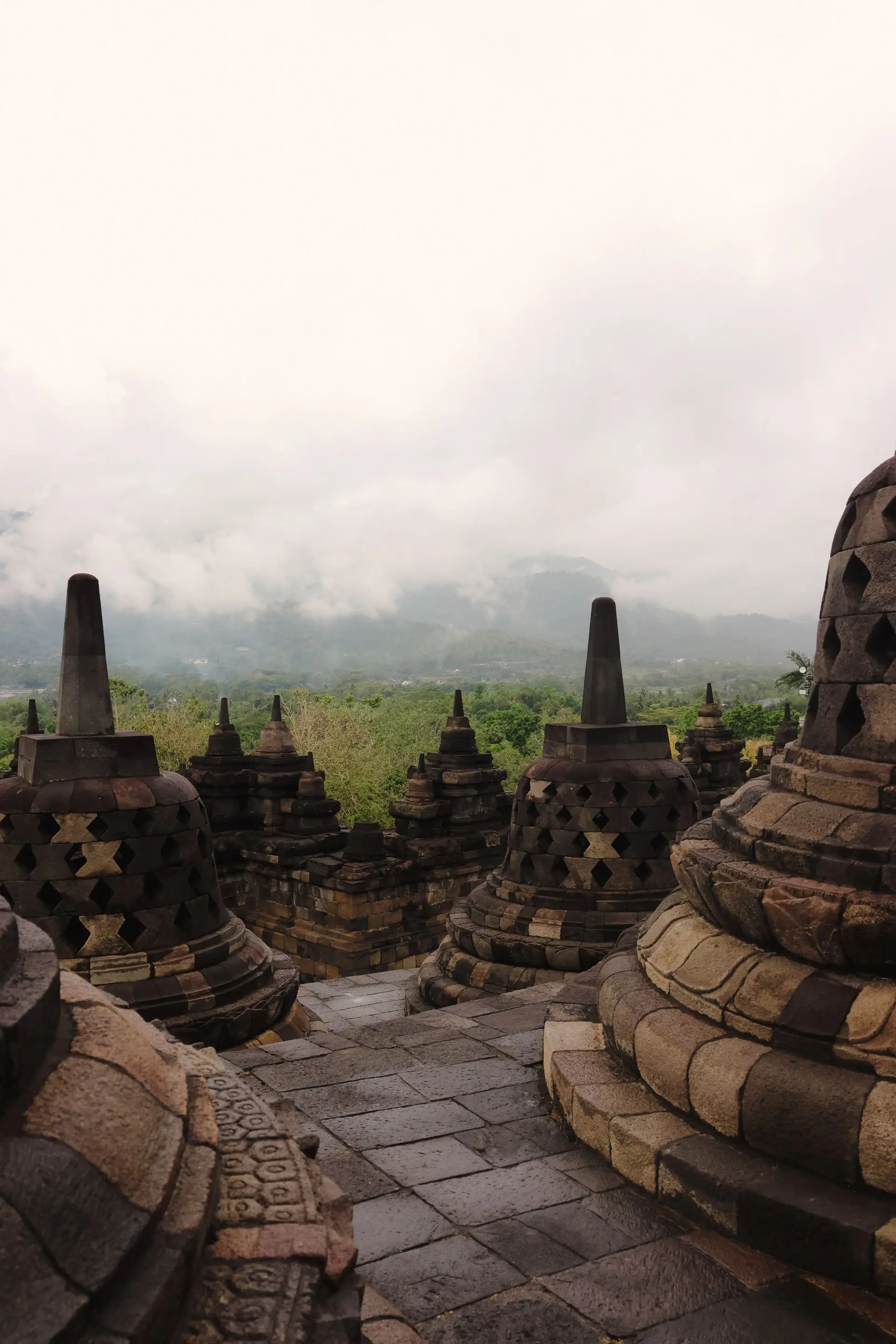
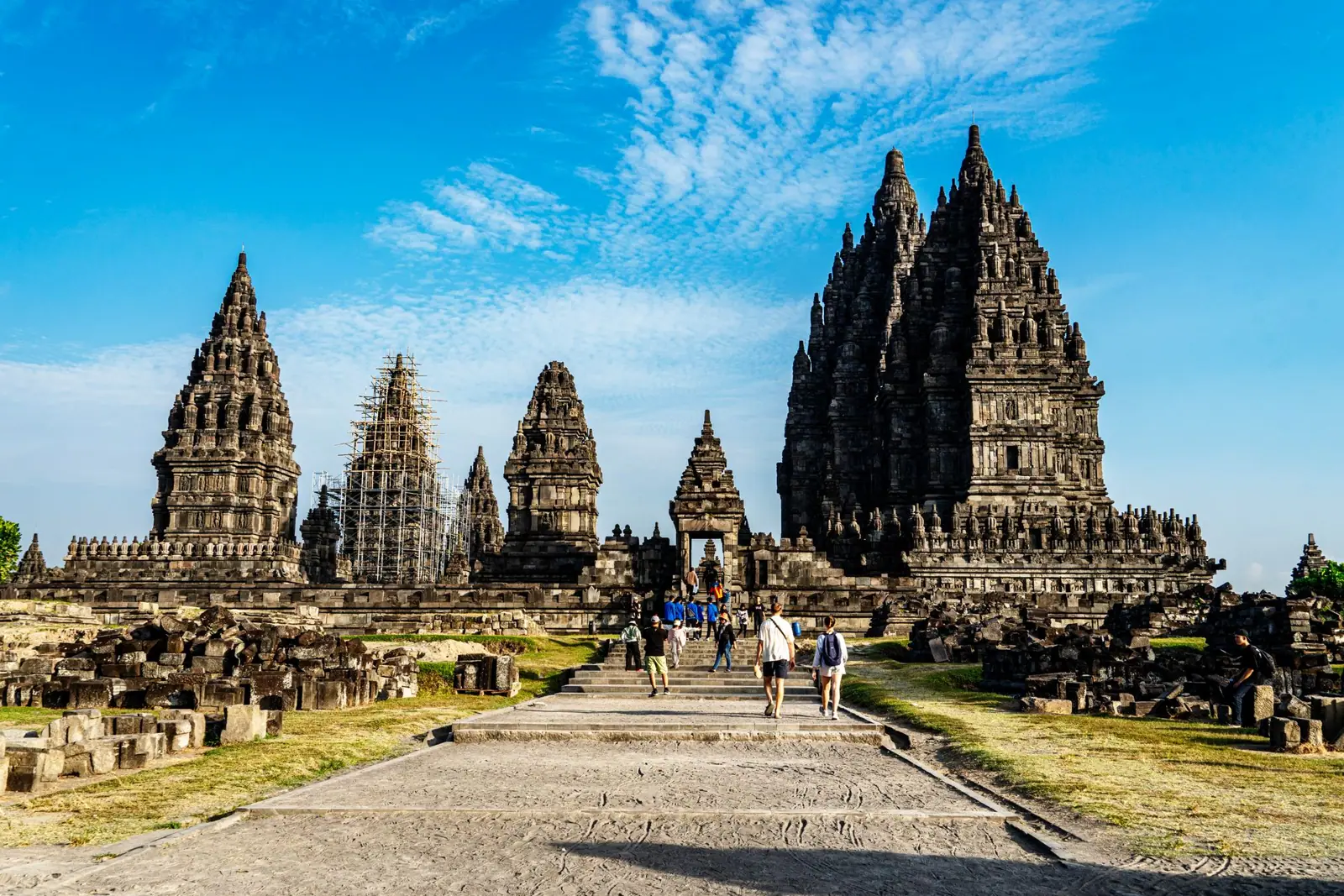
The Sultanate of Yogyakarta was founded in 1755 under the Treaty of Giyanti. The city played a major role in Indonesian history and was even the republic's capital from 1946 to 1949. Nearby stand 9th-century Borobudur, the world's largest Buddhist temple, and the majestic Hindu complex of Prambanan.
Culture
Yogyakarta is still led by a Sultan and keeps its court traditions alive: gamelan, wayang puppetry and batik. Use your right hand to give or receive and speak politely.
Local etiquette & customs
Speak softly and politely, especially to elders. At the Kraton, follow the dress code and do not sit in restricted areas. Remove your shoes when entering someone's home.
Must-try food
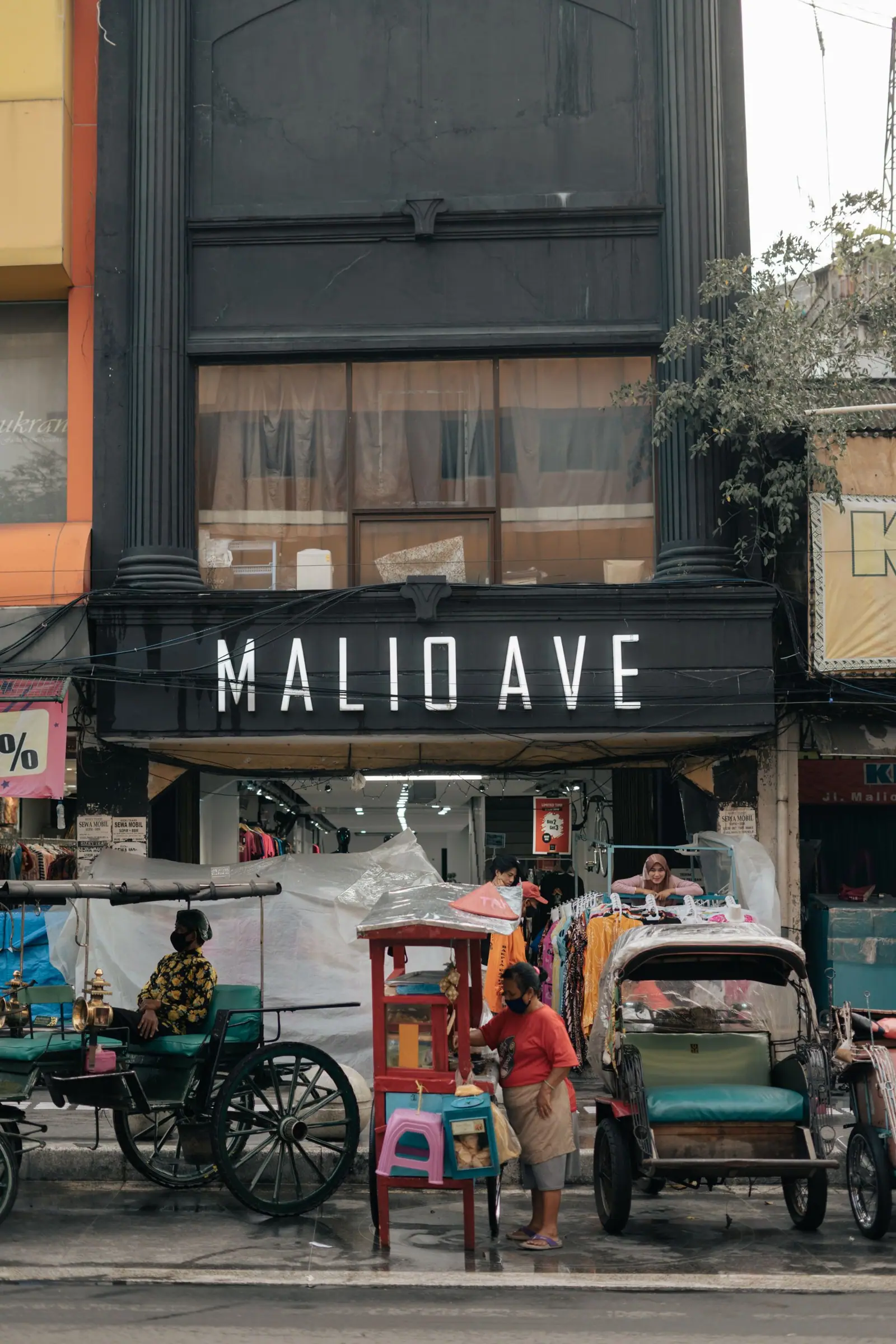
- Gudeg — Young jackfruit slow-cooked sweet in coconut milk, Yogya's icon.
- Bakpia — The must-buy souvenir, filled with mung bean paste.
- Sate klathak — Goat satay grilled on iron skewers, from Bantul.
- Kopi joss — Coffee with a glowing piece of charcoal, from street stalls.
Things to do
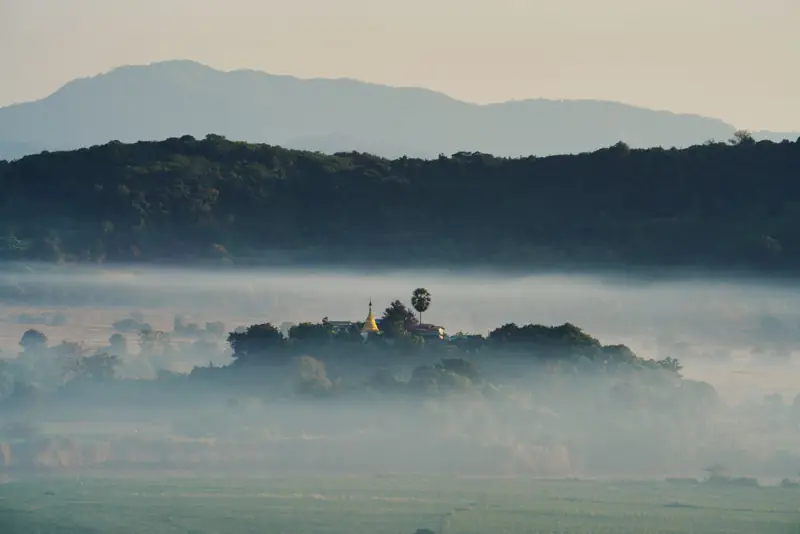 Watch the sunrise over BorobudurBorobudur seen from afar in the morning mist
 Ride a lava jeep on Mount MerapiJeep tour on Merapi's slopes
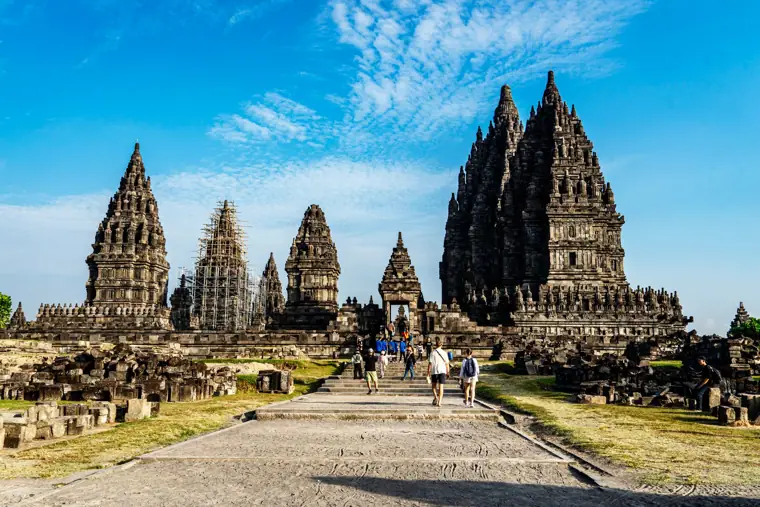 Explore Prambanan & the Ramayana balletPrambanan Temple complex
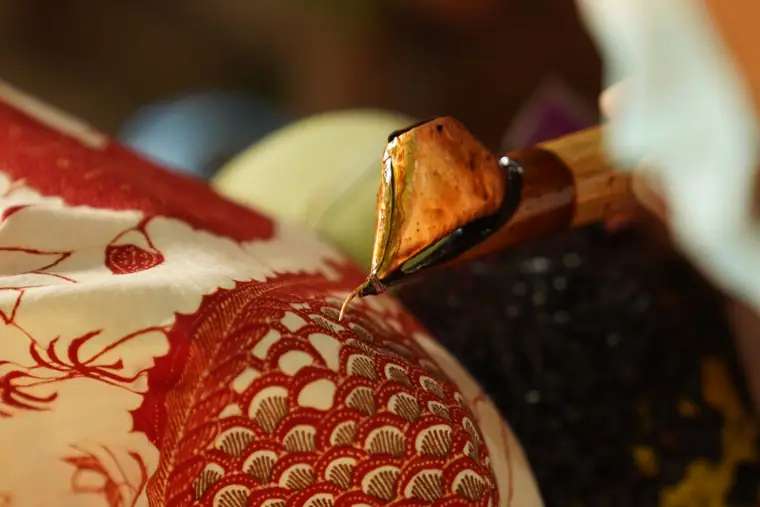 Try batik-making with artisansBatik-making with a canting
 Explore the Kraton & Taman SariTaman Sari gateway, Yogyakarta
Best time to visit
April–October. Visit Borobudur early to beat the heat.
Our tips
- Climbing slots on Borobudur's structure are limited; book early.
- Bring a hat and umbrella.
- Bargain politely at markets.
For families & For companies
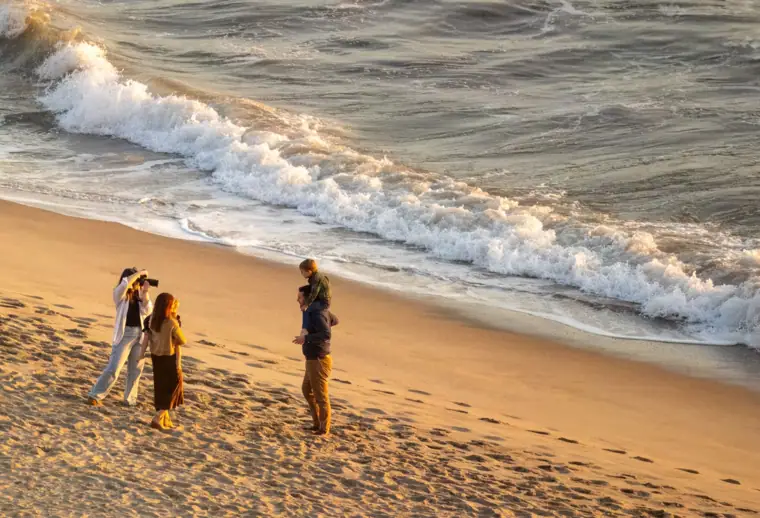
For families
Kid-friendly lava tour and family batik workshop.
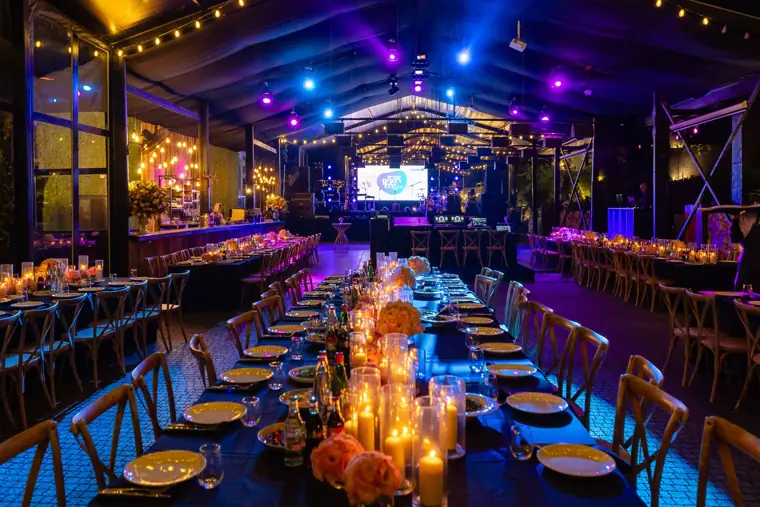
For companies
Dinner with Prambanan or Borobudur as a backdrop, outbound in Kaliurang.